Her Voice, Her Leadership; Women Shaping South Sudan’s Future
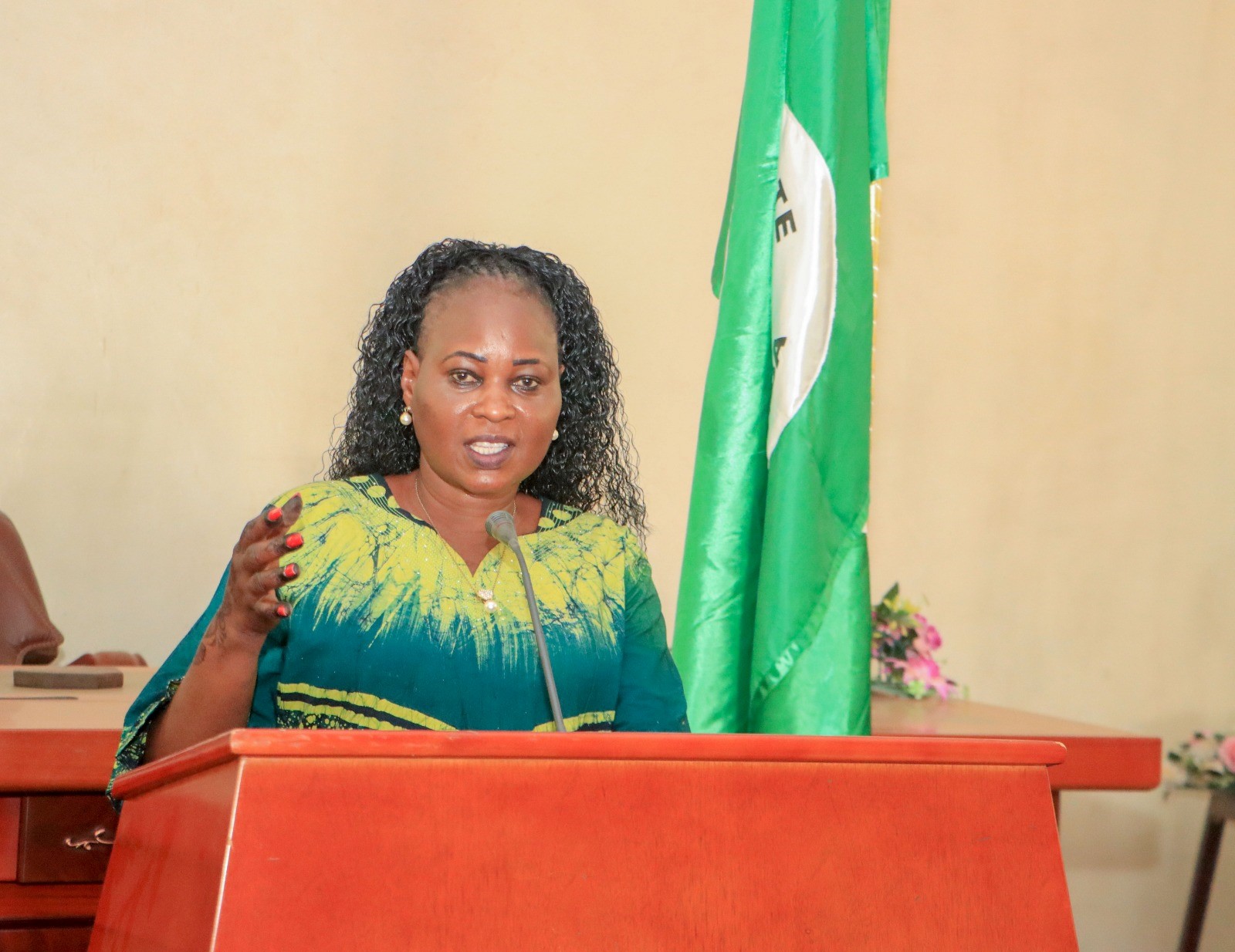
Can you tell us a bit about yourself—where you come from, your background, and what inspired your journey into leadership?
My name is Honorable Hellen Denya. I am the Chairperson of Service and Members Affairs in the Central Equatoria State Parliament, and I represent Rajaf County in Juba. My leadership journey began when I was very young. I spent most of my time in church, where I joined groups such as the Legion of Mary.
Although I was the youngest, I was chosen as deputy in the prayer group because many of the mothers could not read or write English. I initially refused, but they encouraged me to help. As deputy, I acted as secretary, and eventually I found myself leading the group. That experience gave me courage and confidence.
After finishing senior school, I could not go straight to university, so I volunteered with the Red Cross. Later, I worked with Sudan Aid, where I was trained and then given responsibility to supervise the Nyangwara Feeding Center. From there, leadership followed me everywhere I went, including at the university, where I was the group leader in my faculty and in group discussions.
What early experiences or influences shaped your values and desire to serve?
My early church service shaped me deeply. Being entrusted with leadership at such a young age taught me responsibility, humility, and the importance of serving others. That foundation gave me the courage to continue leading in different spaces.
How did your family, community, or mentors support or challenge your path into leadership?
My family has always given me responsibilities, and everywhere I go people entrust me with leadership. I believe it is either the way I conduct myself or simply that God created me to be a leader. I have always felt supported.
What personal values guide you in your work and leadership?
Integrity and respect guide me in everything I do. I believe leadership must be honest, transparent, and respectful to all people. These values help me remain grounded and effective.

Hon. Hellen Denya at work.
How did your journey into political or public leadership begin?
My political journey began in the community. While in Kampala-Uganda, I joined a women’s group in Adjumani that supported women in liberated areas. I was selected as a leader, and later they introduced me to SPLM (the ruling Sudan People’s Liberation Movement). At first, I did not know what SPLM was, but I learned it was a political movement. I started registering women to join SPLM after the Chukudum Convention in 1994. That was the beginning of my political journey, and since then I have worked closely with political parties.
What positions or responsibilities have you held so far in your leadership journey?
I have served as Chairperson of a Women’s Association. In 2005, I was elected Chairperson of the Youth League in Uganda, even though my focus was on women. I won the Uganda chapter after the signing of the peace agreement. Currently, I serve as Chairperson of Service and Members Affairs and as a Member of Parliament in Central Equatoria State.
What achievements or initiatives are you most proud of?
I am proud of helping youth understand politics. As Chairperson, I trained many young people and women to join political parties. Today, most of them acknowledge that without my mentorship, they would not be where they are. Seeing them grow into leaders gives me pride.
How has your leadership contributed to your community, especially for women and youth?
I always stay close to my community. When women or youth face challenges, I visit them, listen, and provide support. If it is something I can solve, I do it. If not, I connect them to the right people or institutions. My role has been to guide, mentor, and open doors for them.
With elections approaching, what role do you see women playing in shaping South Sudan’s political future?
Women are crying for peace, and I see them playing a great role in ensuring elections are peaceful. Women are natural peacemakers, and their involvement will be key to shaping a stable future.
Are you planning to contest an elective position, and what motivates you?
Yes. My motivation comes from my long experience working directly with political parties. If you want to truly help your people, you must be in parliament, where decisions are made. That way, you can bring development opportunities down to the grassroots.
What does the 35% women’s quota mean to you personally and politically?
It is a motivation. Many women are slow to enter politics, and some lack the education needed for key positions. The quota has encouraged women to step up and take higher positions in government.
What challenges have you faced as a woman in politics, and how have you navigated them?
In our culture, men believe higher positions—like governorship or commissioner—are for them, especially in Juba where insecurity is high. I often face obstacles, not only because I am a woman but also because people assume I am too young. Yet I am over 50 and have been in politics for almost 30 years. I overcome these challenges by showing my capacity through my work and speaking openly, as I am doing now. My request to men is to open doors for women so the next generation can have opportunities.
How would you describe your leadership style?
My leadership style is service-oriented. As Chairperson of Service and Members Affairs, I take care of the people I lead, focusing on health and education. My work shows progress, and I lead by example.
What makes your leadership approach effective and unique?
I respect others and do not see myself as a boss but as a leader. A true leader works with all kinds of people, young, old, rich, poor—and treats them equally. I balance and include everyone in my leadership.
How do you stay connected to the people you represent?
During recess, I attend social gatherings such as marriages, funerals, and church activities. These occasions allow me to interact with my people and stay connected to their lives.
How do you balance leadership responsibilities with personal well-being?
I balance by following our cultural norms. As a woman, I am the cornerstone of the family. I do chores, care for my family, and manage my political duties under a schedule.
What is your vision for South Sudan, especially regarding peace, women’s empowerment, and development?
I want South Sudan to be like our neighboring countries, where women share leadership equally with men—50/50. I believe women can do even better work than men. My vision is for peace, empowerment, and balanced development that includes both women and men.
What message do you have for South Sudanese women and girls who look up to you?
Do not be discouraged by the current economic and security challenges. Focus on the South Sudan we want. We need more women in government and politics, and together we can build the future we desire.
What would you like voters to know about you and your leadership values?
I have been in politics for more than 30 years, and people already know my style and what I can do. If elected, I will remain the same—committed and consistent. Currently, I represent a political party, but in elections I will represent the people fully.
What gives you hope for South Sudan’s future?
The young people of South Sudan give me hope. They are talented and full of potential. As our generation counts down, these young leaders are rising, and that means South Sudan is in good hands.
Utilities
My motivation comes from my long experience working directly with political parties. If you want to truly help your people, you must be in parliament, where decisions are made.

