Western Equatoria Assembly Adjourns for Three-Month Recess after Passing Key Laws, Calls for Peace and Unity
By Emmanuel Mandella
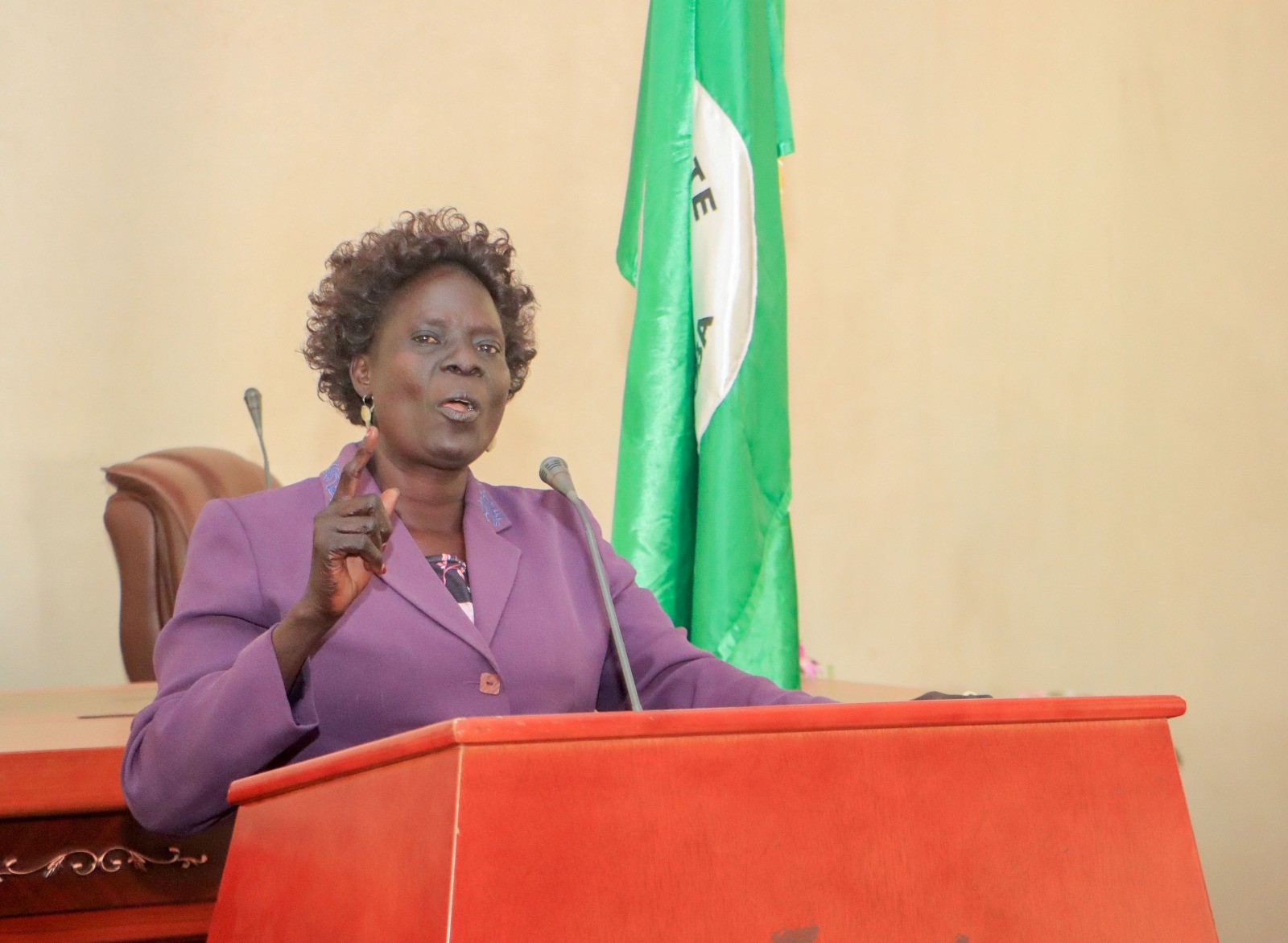
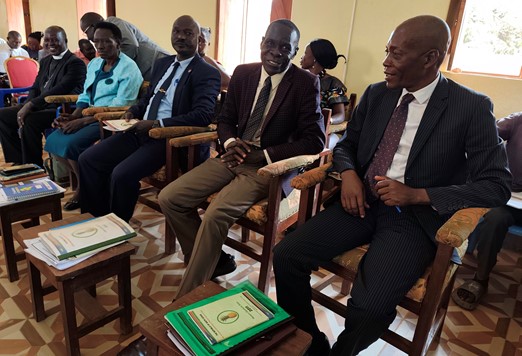
The Transitional Western Equatoria State Legislative Assembly on Wednesday adjourned for a three-month recess after concluding a landmark sitting that saw the passage of critical legislation, including the 2025–2026 state budget, amid renewed calls for peace, unity, and reconciliation across the state.
The recess, which takes effect from 28 January to 26 April 2026, was formally declared through Speaker’s Order No. 1/2026, issued by the Right Honourable Ann Tuna Richard, Speaker of the Assembly, in accordance with Article 64 (3) of the Transitional Constitution of Western Equatoria State (2011, as amended in 2015) and Regulation 9 (4) of the Conduct of Business Regulations (2012, as amended in 2022).
Addressing journalists at the Assembly premises in Yambio, Hon. Mboriundoko Joseph, Deputy Chairperson of the Committee on Culture and Information, described the adjournment as a “historic moment” and highlighted the achievements recorded during the just-concluded session.
“We have done a lot of activities in this past session, and among the most important achievements is the passage of the 2025–2026 Fiscal Year Budget, which is a key instrument for government operations and service delivery,” Hon. Mboriundoko said.
He noted that the Assembly also passed the Emolument Act for Constitutional Post holders, alongside several resolutions touching on governance, accountability, and public welfare, which now await implementation by the Executive.
According to Hon. Mboriundoko, the Right Honourable Speaker emphasized that the work of the Assembly does not end with passing laws and resolutions, but rather with their effective implementation.
“The Speaker was very clear that good governance depends on implementation. Resolutions passed by the House must translate into real action that improves the lives of our people,” he said.
In her formal order, Speaker Ann Tuna Richard stated that the recess would allow Members of the Legislative Assembly to return to their constituencies and actively engage with citizens, particularly on issues of peace and the upcoming general elections scheduled for December 2026.
“I, the Right Honourable Ann Tuna Richard, Speaker of the Transitional Western Equatoria State Legislative Assembly, do hereby declare a recess for a period of three months with effect from Wednesday 28 January to Monday 26 April 2026,” the order reads in part.
The Speaker added that the Assembly will resume its sittings on Monday, 26 April 2026, urging lawmakers to use the recess period productively by mobilizing, sensitizing, and listening to the concerns of their constituents.
Hon. Mboriundoko stressed that Members have been tasked by the House to champion peace, unity, and reconciliation during the recess, describing these values as essential for lasting stability in Western Equatoria State.
“The message from the House is clear: we must go back to our communities and talk about peace and reconciliation so that we can have permanent peace in our state,” he said.
The lawmaker acknowledged that while Western Equatoria has remained relatively calm compared to other regions, underlying tensions and local conflicts continue to threaten social cohesion if not addressed through dialogue and collective action.
On the issue of delayed salaries for civil servants, Hon. Mboriundoko admitted that the challenge remains a nationwide problem but assured the public that the government is making efforts to resolve it.
“Salary delays are not unique to Western Equatoria State; it is a national issue. But the government is working tirelessly to ensure that once funds are available, our civil servants receive their salaries,” he said.
The remarks come amid growing public concern over rising living costs and limited access to basic services, including water, health care, and education.
One of the most strongly worded positions taken by the Assembly during the session concerned the presence of Ambororo nomadic herders in Western Equatoria State. Hon. Mboriundoko said the Assembly unanimously rejected their presence, citing environmental destruction and threats to local livelihoods.
“The Assembly is speaking as the voice of the voiceless. We do not want the presence of Ambororo in our state because they are destroying crops, forests, and beekeeping areas,” he said.
He added that many communities can no longer access forests for farming, fishing, or harvesting honey due to insecurity, calling on the State Government to take decisive action to protect citizens and natural resources.
Furthermore, the closure of the Assembly was also addressed by WES Acting Governor Elia Richard Box, who delivered a passionate appeal for unity, forgiveness, and collective responsibility.
“The key words we must continue to uphold are unity, love, forgiveness, and reconciliation, so that our people can clearly recognize that they have a functioning government both the Executive and the Legislative working together in harmony,” he said.
The Acting Governor acknowledged the hardships faced by citizens, including lack of basic services, but urged leaders to remain committed to serving the people despite the challenges.
“Our problem is not the lack of good speeches or resolutions, but poor implementation and weak follow-up. If we do not implement what we agree upon in this Honourable House, then our work remains incomplete,” he emphasized.
He also apologized for delays in the closure of the Assembly, attributing them to prevailing circumstances, and assured lawmakers that all concerns raised would be communicated to the Governor upon his return from Juba.
Concluding his remarks, Acting Governor Box reiterated that peace must remain the top priority for Western Equatoria State.
“Peace is a collective responsibility. If we remain united, we shall overcome the challenges facing counties such as Nagero, Tombura, and Mundri East. If we stand together, things will change from bad to good,” he said.
As lawmakers disperse to their constituencies, expectations remain high that the recess period will translate into stronger community engagement, renewed commitment to peace, and tangible follow-up on the resolutions passed setting the stage for a productive resumption of the Assembly in April 2026.