Her Voice, Her Leadership; Women Shaping South Sudan’s Future
Can you tell us a bit about yourself, and what inspired your journey into leadership?
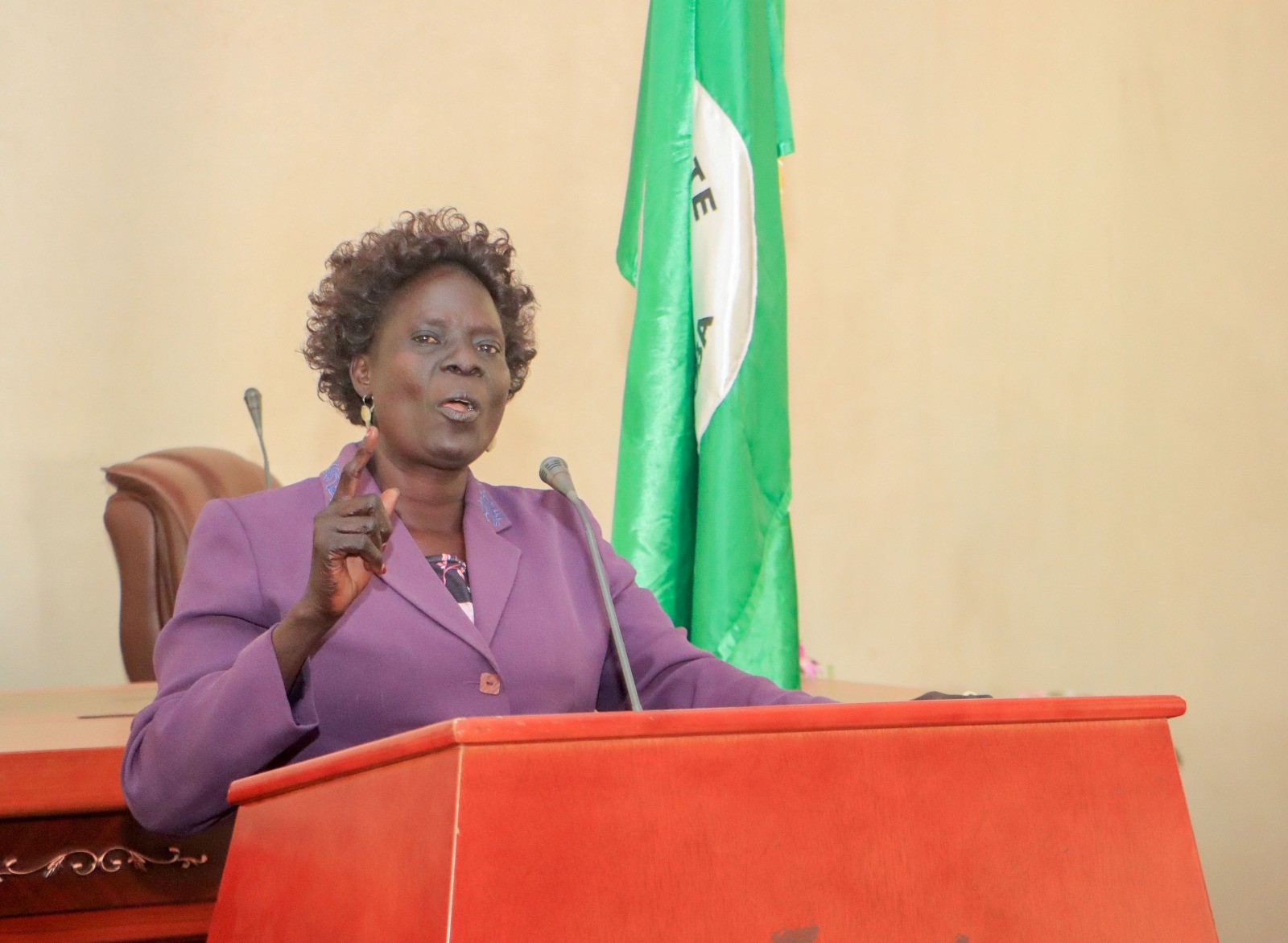
My name is Hon. Awate Esther John. I am from Central Equatoria State, Lanya County, Mukaya Payam. My education journey was very tough due to the challenges I faced. I began primary school in Uganda, where my parents had fled during Anyanya One movement. I was born in Masindi, Uganda. When I reached Primary 5, I lost my father, and my mother decided to bring us back to Southern Sudan in 1988.
In 1989, I joined Dar Salam Primary School in Yei, which was for displaced children. We attended classes after regular students had gone home. Despite the hardships, I worked hard and passed Primary 6. In 1990, war broke out in Yei, and we fled back to Mukaya. Later, my uncle’s son took me to Kaya so I could continue with school. We walked for two days to reach there. I joined Junior 2, and life was very difficult, balancing school, chores, and survival.
During that time, Dr. John Garang ordered that all children be trained, including those in schools and hospitals. I joined the training, which was intense (from 5:00 AM- 8:00 PM) daily. It taught me discipline, responsibility, and leadership. Despite the challenges, I persevered, and those experiences shaped my journey into leadership.
What early experiences or influences shaped your values and desire to serve?
The training in Kaya shaped me greatly. It was not only military but also political and leadership training. I learned responsibility and courage. At graduation, Comrade James Wani Igga (current Vice President in charge of the Economic Cluster) was present, and I was chosen to read the names of the schools in front of thousands of people. That moment gave me confidence to stand before people and serve. Later, in 1993, I moved to Adjumani as a refugee to continue my education. Life was tough, but those hardships strengthened my resolve to serve.
How did your community, family, and mentors support or challenge your path into leadership?
My community has always supported me. Even when I became Executive Director, it was because the elders of Mukaya wrote my name and sent it to the governor. We worked hard to ensure Lanya became a county, and I was the secretary of the elders during that process. Their trust and encouragement pushed me into leadership.
What personal values guide you in your work and leadership?
Determination, honesty and courage. If I start something, I must finish it. I am a frank woman, I do not hide the truth, and I do not fear speaking out.
How did your journey into politics and public leadership begin?
My leadership journey began in school and within my family. Even my elder sisters looked up to me as their leader. I served as head girl in Scripture Union, library prefect, and deputy in the judiciary. Later, I became a community facilitator with IPCS, working with CRS on women’s projects.
From there, I rose to Deputy Chairlady, Chairlady, and eventually Executive Director. In 2005, I entered parliament, serving as Chairperson for Local Government and Legal Affairs. Over time, I held positions in legal affairs, human rights, humanitarian affairs, security, and even served as Minister of Gender and Minister of Physical Infrastructure; the first woman to hold that position.

What achievements or initiatives are you most proud of?
I am proud of organizing women from ground into strong groups that continue to this day. They are empowered, know their rights, and are active in society.
How has your leadership contributed to your community, especially for women and youth?
Women and youth make up the majority of our population. We worked hard to ensure youth were given more consideration. Initially, they had only 10% representation, but we fought until they were given 20%. Now, they work hand in hand with women in leadership.
With elections approaching, what role do you see women playing in shaping South Sudan’s political future?
Women are the majority, and with enough awareness, they can transform South Sudan. Women are already breadwinners in many families. If they elect the right leaders and work hand in hand with them, they will bring real change.
Are you planning to contest for elective positions, and what motivates you?
Yes, I will contest. A politician cannot give up. My people know me and my work. I laid the foundation for my county, and they expect me to continue. I have not yet completed my duty, so I must contest.
What does the 35% women’s quota mean to you personally and politically?
I am proud of the 35% quota. It was adopted by SPLM (ruling party), increasing from 25% to 35% in 2016. It was later reinforced in the revitalized peace agreement. This increase means more women can participate at all levels of leadership.
What challenges have you faced as a woman in leadership or politics, and how have you navigated them?
The challenges are many, political, economic, and social. Economically, women leaders are not well equipped, and without finances, progress is difficult. Socially, cultural beliefs still limit women, as many men think women cannot lead. We are addressing this through awareness programs, such as the Girl Child Education Bill in parliament.
How would you describe your leadership style?
My style is teamwork and life‑changing leadership. I ensure that everything I do impacts someone’s life positively.
What makes your approach to leadership unique and effective?
I always speak the truth, and people know it. When there is an issue, they call for me because they trust that I will give honest answers backed with evidence. That makes my leadership effective.
How do you stay connected to the people you represent?
I stay connected through frequent calls and visits during recess.
How do you balance leadership responsibilities with personal life and well-being?
It is challenging. My child is in Yei, and I have not seen them for over a year due to economic difficulties. As a widow, it is even harder, but I do my best to provide food and school fees.
What is your vision for South Sudan, especially regarding peace, women’s empowerment, and development?
My vision is a peaceful, secure, and stable South Sudan. With our fertile land, agriculture can transform the country. I want to see women empowered in all sectors and the nation free from war.
What message do you have for South Sudanese women and girls looking up to you?
Education first, then a job, and then marriage. Education and employment are the keys to progress. If you rush into marriage without education or a job, you will struggle. Secure your future first, then build your family.
What would you like voters to know about you and your leadership values?
I want voters to understand that parliamentarians are not executives. Our roles are legislation, oversight, and representation. Executives are the implementers. If a parliamentarian promises to bring schools or services directly, they are deceiving you. Know our roles, and you will be safe.
What gives you hope for South Sudan’s future?
Our fertile land, minerals, and oil give me hope. Agriculture alone can sustain us, and with peace and stability, South Sudan will flourish.
Quote:
My advise to women is, seek education first, then a job, and then marriage. Education and employment are the keys to progress. If you rush into marriage without education or a job, you will struggle.- Hon. Awate Esther John.