The unified command officers need forces to command

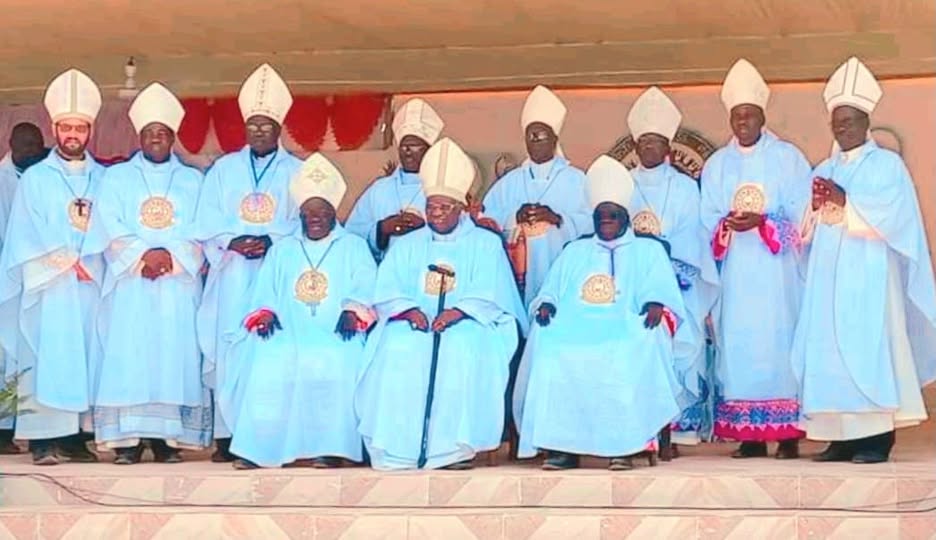
It is eight days since the unified command officers took the Oath of Allegiance before President Salva Kiir as the Commander-In-Chief of the Unified South Sudan National Army, and the Supreme Commander of all other unified forces.
The officers that took the oath included the Chief of Defence Forces (CDF), Inspector General of Police (IGP), Director-Generals (DGs) of the National Security Service and the National Wildlife Service, the Commissioner of Civil Defence Forces, and their respective deputies in the National Army and all the other organised forces.
The next step was to graduate forces who have been in training centres and integrate them into the army, but no details have been made available regarding the graduation of forces, including the precise ratio of troops from each side.
Despite the formation of the unified command, recently, there have been reports of clashes among the armed forces over the agreement in parts of Upper Nile and Unity states. Several people have been killed and more than 30 of them wounded in Leer County, Unity State. This is a clear sign that there is an urgent need to graduate the forces as well as integrate them into the national army to avoid further conflict and confrontation among the warring parties.
The fact that the unified command structure has already been instituted makes it necessary for all those forces to be integrated under one unit and administration. It makes no sense to have a unified command when there are still platoons of forces being controlled by individuals. All forces must be brought under the wings of the Commander-in-Chief, who is the president of the country.
Therefore, the leadership of the armed parties needs to speed up the process for the graduation of the unified forces. This would, in turn, improve the security situation in the country and de-escalate tensions. Otherwise, as long as the forces are not integrated, there will always be clashes among them despite the establishment of a unified command structure.
The unified command officers need to have forces that are directly answerable to them to ensure the implementation of the security arrangement in Chapter Two of the peace agreement is completed. The forces in the training centres, as well as those at the cantonment sites, must also take the oath of allegiance.
The citizens need to enjoy the peace dividends, and they cannot have that peace if the country still has divergent forces that are loyal to their commanders. The forces need to be integrated, and those who wish to return to civilian life should voluntarily retire through the process of disarmament, demobilisation, and reintegration (DDR).